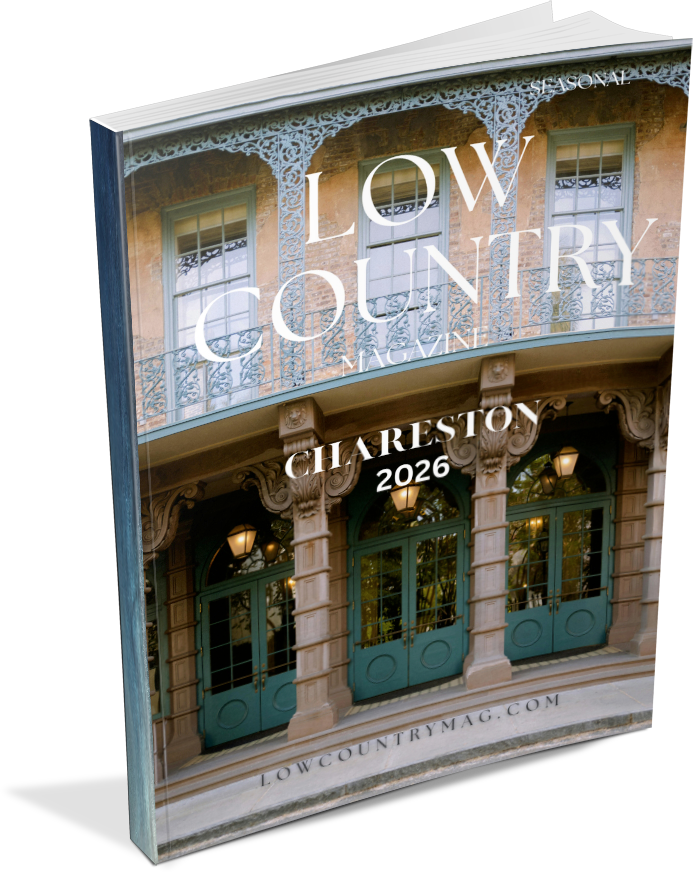
LOW COUNTRY MAGAZINE

The term “Lowcountry” refers to a geographic and cultural region along the coast of South Carolina, characterized by its low elevation, coastal waterways, and distinct cultural heritage [1] [2].

According to www.iAsk.Ai – Ask AI:

This region is known for its significant salt marshes, diverse natural environment, historic cities, and a vibrant tourism industry [1] [2]. The Lowcountry’s unique identity is deeply intertwined with its history, including its past as an agricultural center reliant on enslaved labor for rice and indigo cultivation, and the enduring presence of African American communities, particularly the Gullah/Geechee people [1] [5].

Geographic Definition

The geographic extent of the Lowcountry has several variations, but the most commonly accepted definition includes Charleston, Dorchester, Beaufort, Georgetown, Colleton, Hampton, Berkeley, Jasper, and Williamsburg Counties [1]. This area often encompasses the basins of the Cooper River, Santee River, ACE (Ashepoo-Combahee-Edisto), Winyah Bay, and Savannah River [1]. Some definitions also include Marion and Horry Counties, and Dillon County is included by a large group of healthcare executives in the state [1]. Allendale County is also occasionally included [1] [4].

The term “Low Country” originally referred to all areas of the state below the Fall Line, a geological boundary where the hard rock of the mountains meets the softer sand of the coastal plain [1] [5]. Much of the Lowcountry sits only about 270 feet above sea level, significantly lower than the rest of South Carolina, which averages around 350 feet above sea level [5]. This low-lying topography, combined with its location in the southern, easternmost part of the state, gives the region its name [5] [3]. The region is bordered by the Atlantic Ocean to the east and the Savannah River to the west, near the border with Georgia [2] [3].

The Lowcountry Council of Governments, a regional governmental entity, covers Beaufort, Colleton, Hampton, and Jasper counties, which are also included in the South Carolina Department of Parks, Recreation, and Tourism’s “Lowcountry and Resort Islands” area [1] [6]. This area includes the Hilton Head Island-Bluffton-Beaufort, SC Metropolitan Statistical Area [1].

Cultural Significance

Culturally, the Lowcountry is synonymous with areas having a large population of Gullah Geechee people, who have traditionally resided in the coastal areas and sea islands from North Carolina to Florida [1] [5]. These descendants of West and Central Africans, enslaved on coastal rice and cotton plantations, have retained many of their African traditions, which are reflected in the region’s food and arts, such as sweetgrass basket-making [1] [5].

Historically, the region was dominated by a planter aristocracy known as the Lowcountry gentry, who amassed wealth through slave-based agriculture, particularly rice and indigo [1]. After the American Civil War and the emancipation of enslaved people, the power of this gentry declined, and the economy shifted towards timber and phosphate mining, and later, tourism [1].

Tourism and Modern Identity

Today, tourism is a major industry in the Lowcountry, attracting visitors with its natural beauty, historic sites, and cultural experiences [1] [2]. Popular destinations include Charleston, Beaufort, and Hilton Head Island, each offering unique attractions such as historic districts, beaches, golf courses, and opportunities to engage with Gullah Geechee culture [3] [5]. The region hosts numerous festivals celebrating its food, history, heritage, culture, arts, and natural environment [2].

The Lowcountry’s natural terrain is characterized by salt marshes, winding waterways, and sandy beaches, along with native live oak trees draped in Spanish moss and palmetto trees [5]. The distinctive “pluff mud” found in the salt marshes, named for its sulfurous stench from decaying organic matter, is a unique feature of the Lowcountry’s coastal environment [1].